How to Tell If Your Basement Waterproofing Is Failing
A basement rarely announces trouble all at once. Most of the time, it starts with small changes that are easy to dismiss. A faint musty odor after a rainstorm. A section of wall paint that begins to bubble. A cardboard box that feels slightly damp along the bottom edge. Homeowners often catch these signs late because basements are out of the way, and moisture problems tend to build gradually.
That slow buildup is exactly what makes failing Basement Waterproofing so expensive. Water does not need a dramatic flood to cause damage. Repeated dampness can weaken finishes, feed mold growth, rot wood framing, rust metal, and put steady pressure on the foundation. By the time there is standing water on the floor, the problem has usually been developing for a while.
I have seen basements where the owner thought the issue was minor because there was only “a little moisture” once or twice a year. Months later, baseboards were swelling, stored furniture was ruined, and the lower section of drywall had to be cut out. In another case, the basement looked clean and dry at first glance, but the dehumidifier ran almost constantly, and the concrete block walls showed faint white staining in the corners. That was enough to reveal that water was still moving through the foundation, even if it was not yet pooling on the slab.
If you want to catch waterproofing failure early, the key is to look for patterns, not just isolated events. Moisture leaves clues in air quality, surfaces, smells, and seasonal behavior. Some signs point to a manageable maintenance issue. Others suggest that the original waterproofing system is compromised, incomplete, or overwhelmed.
What “failing waterproofing” actually means
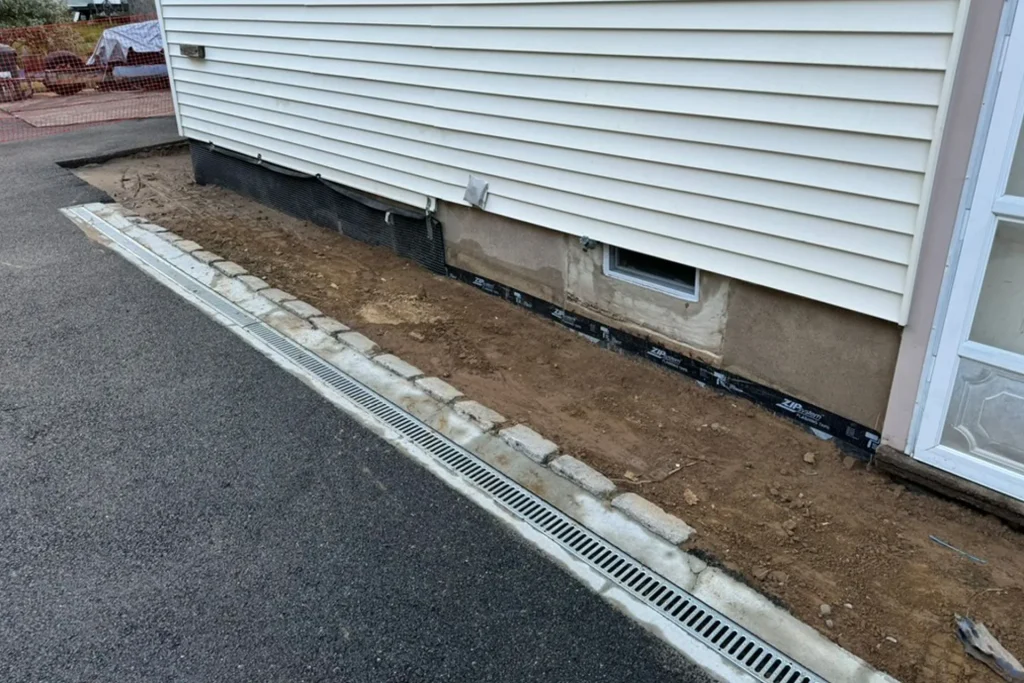
Basement waterproofing is not one single product. It is a system, whether the house has exterior membranes, interior drainage channels, a sump pump, vapor barriers, grading, downspout extensions, or some combination of those elements. When that system starts failing, it can happen in several ways.
Sometimes the original installation was not robust enough for the site conditions. A home built on heavy clay soil, for example, will often deal with more hydrostatic pressure than a house on sandy, free-draining ground. In other cases, the system was fine when installed, but time, settlement, clogging, or poor maintenance has reduced its performance. A sump pump may stop working. An exterior membrane may have deteriorated. A footing drain may be blocked with sediment. The soil around the house may have settled so that water now drains back toward the foundation instead of away from it.
That distinction matters because the symptoms can look similar while the cure is very different. Damp air alone does not always mean rainwater is entering through the walls. It can also mean humid summer air is condensing on cool basement surfaces. On the other hand, water staining in a recurring vertical line on a wall is far more suggestive of intrusion through the foundation itself.
The smell test is more useful than many people realize
One of the earliest signs of trouble is odor. A basement that smells earthy, stale, or musty is often telling you that moisture is present even when surfaces appear dry. That smell usually comes from mold growth, mildew, damp building materials, or a long-term humidity problem.
A healthy basement does not need to smell fragrant, but it should smell neutral. If you notice that the odor becomes stronger after heavy rain, snowmelt, or periods of high humidity, pay attention. That timing can help separate waterproofing failure from a one-off spill or an old storage item creating an odor.
The strongest smell often collects near exterior walls, under stairs, around stored fabric, or in unfinished utility corners where air movement is poor. If you walk downstairs after a thunderstorm and immediately notice a damp smell that was not there the day before, that is not something to ignore. Odor is often the first warning before visible staining appears.
Water stains, white residue, and changing wall surfaces
Concrete and masonry are honest materials. They tend to show moisture movement if you know what to look for. One of the most common signs is efflorescence, the chalky white residue that appears when water moves through masonry and leaves mineral deposits behind as it evaporates. Efflorescence itself is not mold, and it is not structurally dangerous by itself, but it is proof that water has been passing through the material.
Discoloration also matters. Brownish stains, yellow streaking, and darkened patches often mark the route water takes as it enters or evaporates. In painted basements, bubbling, peeling, or flaking paint is another giveaway. Waterproof paint can hide the issue for a while, but if moisture pressure behind the coating is strong enough, the finish eventually blisters or lets go.
On block foundations, you may see dampness tracing along mortar joints. On poured concrete walls, hairline cracks can begin to show moisture first because water follows the path of least resistance. If the same area repeatedly darkens after storms, that is a strong clue that your Basement Waterproofing is no longer doing its job in that section.
I once inspected a basement where the homeowner was mainly concerned about a small patch of peeling paint behind a freezer. Once the appliance was moved and the wall was fully visible, there was a faint tide line extending nearly twelve feet along the perimeter. It had been hidden for years. The paint failure was not cosmetic. It was the visible edge of a much larger moisture pattern.
Damp floors and wet edges at the slab are a major warning sign
Basement floors tell their own story. Water does not always come through the middle of the slab. More often, it appears where the floor meets the wall, at cracks in the slab, or around floor penetrations. If you notice a damp ring around the perimeter after heavy rain, that often points to water pressure at the cove joint, the place where the wall and floor connect.
This matters because many homeowners expect to see water running down the wall if waterproofing has failed. In reality, the wall can stay relatively dry while water builds below or beside the footing and then forces its way in at the floor joint. If there is a finished floor in place, the signs may be subtler. Vinyl planks may cup slightly. Carpet tack strips may rust. Laminate may swell at the seams. Area rugs may feel cool and damp underneath.
A simple moisture meter can help, but even without one, your senses go a long way. Bare feet often pick up what eyes miss. If one corner of the floor consistently feels colder or slightly clammy than the rest, investigate further.
Humidity that never seems to stay under control
Some basements are naturally cooler and a bit more humid than the upper floors, but there is a threshold where “normal basement conditions” becomes a sign of a larger problem. If you are running a dehumidifier constantly and still struggling to keep relative humidity below about 55 to 60 percent, there may be moisture entering the space faster than your equipment can remove it.
High humidity alone does not prove waterproofing failure. It can also come from poor ventilation, uninsulated cold-water pipes, or drying clothes indoors. What matters is the combination of clues. High humidity paired with musty odor, visible staining, damp belongings, or seasonal spikes after rain creates a much stronger case.
Watch for condensation too. If metal ductwork, pipes, or even toilet tanks are sweating excessively, the basement air is carrying more moisture than it should. Windows in a basement can also reveal the problem. Persistent fogging or water droplets on the inside surface, especially in mild weather, often points to elevated indoor humidity.
Mold, mildew, and damaged stored items
Stored belongings can act like moisture sensors. Cardboard softens first. Fabric picks up odor. Leather grows mildew. Holiday decorations, books, and old paper goods often reveal a basement problem before the walls do.
If items stored a few inches off the floor remain dry, but those placed directly on the slab show damage, the issue may be floor moisture or periodic seepage. If everything along one exterior wall smells musty while items in the middle of the room are fine, that points more directly to moisture entering through the perimeter.
Mold does not need standing water. It can develop when materials stay damp enough, long enough. Wood shelving may show dark spotting. Drywall paper can support mold growth even when the wall only feels slightly cool and humid. In finished basements, this becomes especially costly because moisture often stays hidden behind insulation and wall coverings. By the time the baseboard looks swollen, the back side of the drywall may already be affected.
One homeowner I worked with kept replacing a small patch of carpet near the bottom stair landing because it kept smelling sour. The real problem was not the carpet. It was a slow seepage path at the wall-floor joint behind the finished wall. The carpet was simply the first absorbent material in line.
Cracks, movement, and when water is part of a bigger structural story
Not every crack means danger, and not every leak means foundation failure. But when waterproofing problems appear alongside widening cracks, sticking doors, sloping floors, or inward bowing walls, it is time to take the issue more seriously.
Hairline shrinkage cracks in poured concrete are common. They may leak, or they may not. What matters is whether they are changing. A crack that has become wider, longer, or more active over time deserves professional evaluation. Stair-step cracks in masonry walls can also suggest movement, especially if they accompany water entry.
Hydrostatic pressure is one reason this matters. Water-saturated soil around a basement can create lateral pressure against the foundation wall. If drainage is poor and exterior waterproofing is compromised, that repeated pressure can contribute to wall movement. In practical terms, a basement that leaks and a basement with structural stress often overlap more than homeowners realize.
If you see a crack with rust staining, that can sometimes mean water is reaching reinforcing steel. If you see wall sections that appear to bulge inward or block walls that are shifting out of plane, stop thinking of the issue as a simple dampness problem. https://www.google.com/maps?cid=15618896523686751270 At that point, the waterproofing failure may be part of a larger foundation repair conversation.
The sump pump can warn you before the basement does
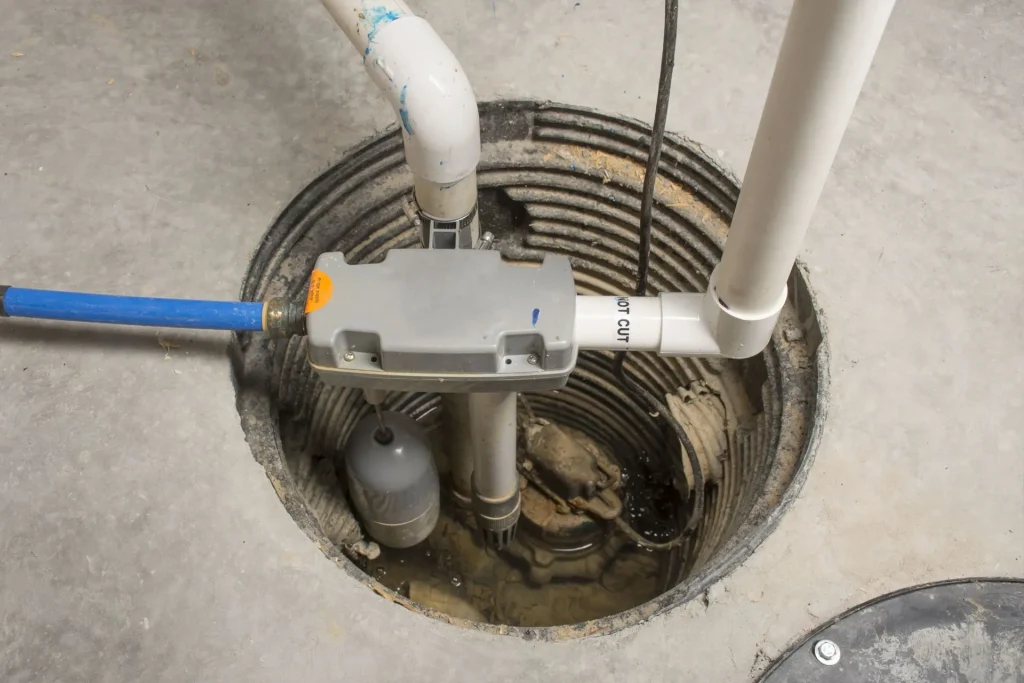
In homes with interior drainage systems, the sump pump is the mechanical heart of the waterproofing setup. When it starts acting differently, pay attention. A pump that runs constantly during moderate weather, short cycles on and off, makes grinding noises, or fails to discharge water effectively may be signaling that the system is under stress.
A basement can remain dry while the pump is working hard behind the scenes. Homeowners sometimes assume that no visible water means no problem, but the opposite can be true. A pump that suddenly runs far more often than it used to may be compensating for clogged drainage, rising groundwater, or changing exterior drainage conditions.
The discharge point outside matters too. If water is being pumped out but flowing right back toward the house because the discharge line is too short or poorly graded, the system can end up recycling the same water. In freezing climates, discharge lines can also ice over in winter, causing backups that show up indoors.
Backup systems deserve a mention here. If your basement relies heavily on a sump pump and there is no battery backup or water-powered backup where appropriate, a power outage during a storm can turn a manageable situation into an emergency very quickly.
Exterior clues often explain interior symptoms
A lot of basement waterproofing problems begin outside, and the basement merely shows the consequences. Walk the perimeter of the house after a hard rain. You may find the explanation in ten minutes.
Look at whether the soil slopes away from the house or toward it. Check whether downspouts discharge far enough from the foundation. A surprisingly large number of wet basement calls come down to short downspout extensions or clogged gutters dumping roof runoff directly beside the foundation. Even a roof area of modest size can shed hundreds of gallons of water during a serious storm.
Window wells are another weak point. If they fill with debris, trap water, or drain poorly, seepage around basement windows becomes far more likely. Patios, walkways, and driveways that have settled toward the house can also direct runoff straight against the foundation wall.
This is one place where judgment matters. Exterior drainage problems do not always mean the waterproofing system itself has failed. Sometimes the system is being asked to handle more water than it was designed for because maintenance outside has slipped. The distinction matters because correcting grade and runoff may solve the issue without major foundation work.
When the timing tells the story
Water problems often follow a pattern. That pattern can help identify the source.
If the basement gets damp only after long, soaking rains, groundwater pressure may be the culprit. If it leaks during fast, intense storms, surface runoff and grading may be more likely. If the issue appears in spring during thaw, look at snowmelt saturation and frozen ground limiting drainage. If dampness is worst in hot summer weather, indoor humidity and condensation may be contributing more than actual seepage.
A useful habit is to keep a short log for a month or two. Note the weather, where the moisture appears, whether the sump pump ran, and what the humidity reading was. Even a few entries can reveal a pattern. Professionals often figure out the source faster when homeowners can say, “The wet spot shows up on the north wall after rain over one inch,” instead of, “Sometimes the basement feels damp.”
Signs that call for a prompt professional inspection
Some symptoms can wait a few days while you investigate. Others should move up the priority list. If water is entering fast enough to pool, if there is visible mold growth over a broad area, if finished materials are staying wet, or if you see wall movement or expanding cracks, bring in a qualified professional sooner rather than later.
The same applies if you have tried the obvious fixes and the problem keeps returning. Cleaning gutters and extending downspouts are worthwhile first steps, but repeated moisture despite those corrections suggests that the issue is deeper. At that point, guessing gets expensive. I have seen homeowners spend money on waterproof paint, replacement flooring, and repeated mold cleanup when the underlying problem was an aging drain tile system or a failed exterior membrane.
A solid inspection should look at both the interior symptoms and the exterior water management. It should not jump straight to a one-size-fits-all solution. Some homes need drainage improvements first. Some need crack repair. Some need interior water management because exterior excavation is impractical. The right recommendation depends on the type of foundation, soil conditions, finish level of the basement, and severity of water entry.
What you can do right now before damage gets worse
You do not need to wait for obvious flooding to take useful action. Start by reducing uncertainty. Clear stored items away from exterior walls so you can inspect surfaces. Run a hygrometer to track basement humidity. Check gutters, downspouts, grading, and the sump pump if you have one. Move absorbent materials off the floor. If a finished area smells musty, do not keep it sealed up and hope it improves on its own.
Photographs help more than people expect. Take a few during dry weather and again after storms. That gives you a baseline and makes subtle changes easier to spot. If you see white mineral residue, damp edges, stained walls, or recurring odor, document it. Waterproofing issues are often easiest to understand when you compare conditions over time.
Most important, do not be reassured simply because the basement is not actively flooding. Basement Waterproofing can fail quietly for months or years before the damage becomes obvious. By then, what could have been solved with drainage corrections or targeted repairs may involve mold remediation, finish replacement, and more substantial foundation work.
A dry basement is not just about comfort or storage. It protects the structure of the home, the air quality inside it, and the materials that sit closest to the foundation. If your basement is sending signals, even subtle ones, it is worth taking them seriously. Water is patient, and in a basement, patience usually works in its favor, not yours.
ARD Waterproofing
98 Smull Ave, West Caldwell, NJ 07006, United States
+1 917-691-8411
FAQ About Basement Waterproofing
Can you 100% Waterproof a Basement in West Caldwell?
A properly designed system can substantially reduce basement water intrusion, but no method can promise protection against every flood, equipment failure, or future change in site conditions. The first step is identifying whether moisture comes from surface runoff, groundwater, plumbing, or condensation. Solutions may include grading and gutter improvements, drainage, foundation repairs, and a sump system. Review the specific coverage and exclusions of any written warranty.
How much does it cost to professionally waterproof a basement in NJ?
There is no single price that fits every basement. Cost depends on the cause of the leak, the area needing work, access, excavation requirements, drainage design, sump equipment, and restoration of disturbed finishes or landscaping. Request an on-site assessment and an itemized written estimate that explains the scope, exclusions, and maintenance requirements before comparing proposals.
How long does foundation waterproofing last in West Caldwell, NJ?
Service life varies with the waterproofing materials, installation quality, soil and water conditions, and maintenance. Drainage components and pumps may require servicing or replacement even when other parts of the system remain functional. Keep gutters, drainage outlets, and sump equipment maintained, and have recurring leaks or changes in foundation condition assessed. Ask for product-specific expectations and written warranty terms rather than relying on one lifespan for the entire system.